Utilize USPS Last-Mile Delivery: 6 Facts for Diverse Shippers
If you've ever watched a customer bounce from your checkout because the shipping options felt like a maze, you already understand why the post office suddenly matters again.
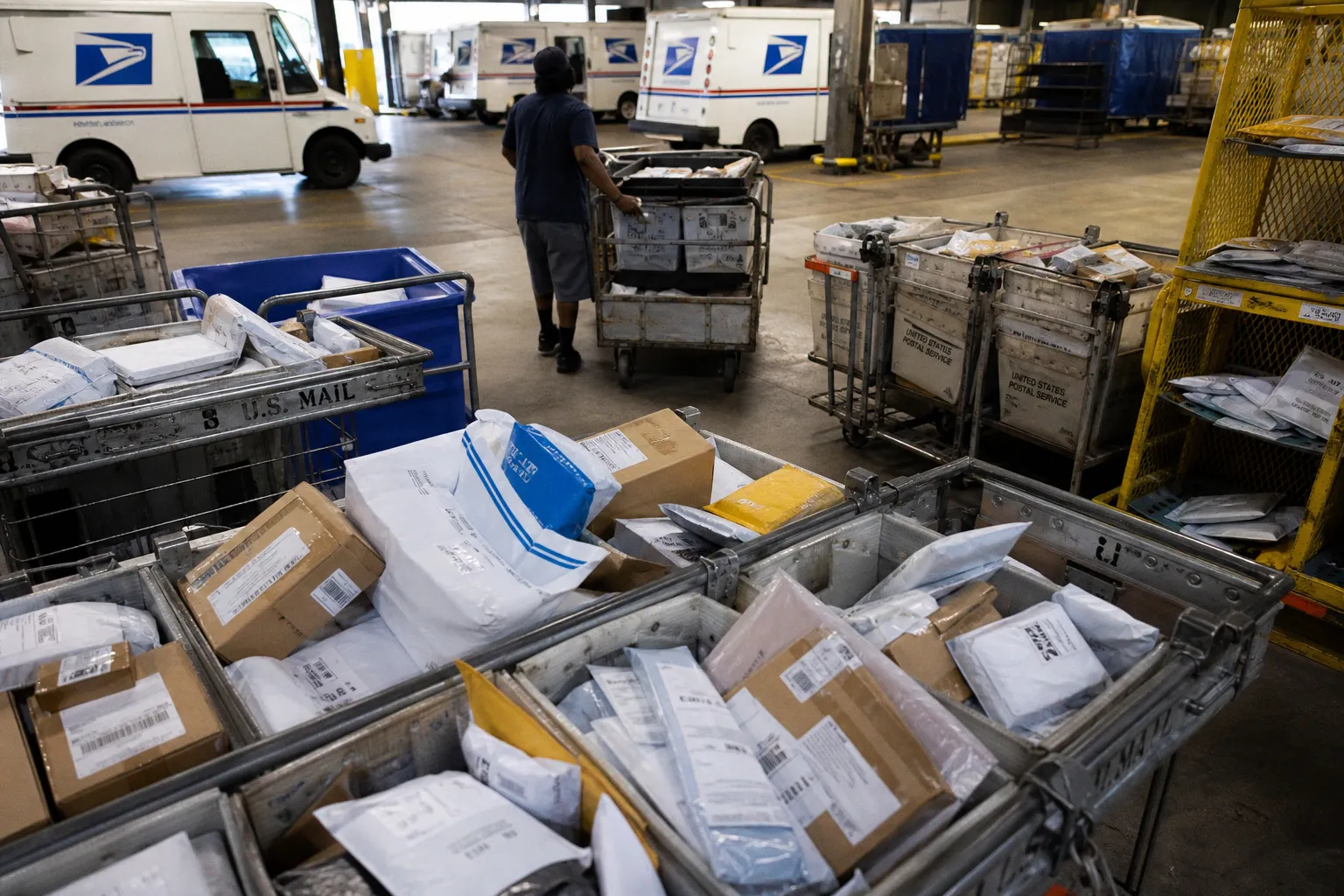
Let's walk through what's actually changed, why it matters for the brands who serve diverse customer bases, and how you can put the new last-mile network to work without drowning in operational jargon.
The Delivering for America Plan Is the Backstory You Should Know
In March 2021, USPS unveiled a ten-year strategy called Delivering for America — and the name isn't decoration. It was an admission that the network had been running on infrastructure designed for a different era of mail. The plan set out to modernize sorting facilities, retrain the workforce, and most importantly for merchants like you, open the door wider to businesses that historically felt locked out of the postal network's deepest advantages.
The rollout has been steady rather than splashy. New Regional Processing and Distribution Centers (RPDCs) are coming online as part of a multi-year build, and the goal is a national footprint of 60 of these facilities. Think of them as the new front door — places where packages enter the system already sorted for the last mile, which cuts days off delivery in many ZIP codes. You don't need to memorize the acronym. What matters is the underlying promise: predictable pricing, predictable transit, and fewer of those "where is my order?" tickets clogging your support queue.
The post office isn't catching up to private carriers. It's rebuilding a network your customers already trust at a gut level — and that's a behavioral asset, not just a logistics one.
USPS Ground Advantage: The Consolidation That Simplifies Everything
On July 9, 2023, USPS did something marketers had been begging carriers to do for years. It merged three legacy services — First-Class Package Service, Parcel Select Ground, and Retail Ground — into a single streamlined product called USPS Ground Advantage. One service. One rate card. One set of rules your fulfillment team can actually hold in their heads.
The delivery standard is 2 to 5 business days, which puts the service in direct conversation with UPS Ground and FedEx Ground without the same rate sensitivity. Packages up to 70 pounds are eligible, which means most of your product catalog now fits comfortably inside this single lane. And here's the detail that genuinely changes the math: every shipment includes $100 of insurance for both outbound and return packages, included in the base price.
That's not a small thing. If you've been paying UPS or FedEx a premium for declared-value coverage, you've been subsidizing a cost that USPS now absorbs as part of the experience. The behavioral side of this matters too — when you tell a shopper their return shipping is covered up to $100 without a separate insurance line item, the cognitive load drops. They feel safer. They complete the purchase. They don't abandon cart out of fear that something will go wrong.
| Parameter | USPS Ground Advantage | Typical Private Carrier Ground |
|---|---|---|
| Delivery standard | 2–5 business days | 1–5 business days |
| Max weight | 70 lbs | 70 lbs (varies by service) |
| Included insurance | $100 outbound and return | Often extra fee or capped lower |
| Residential surcharge | None | Yes, by ZIP and season |
| Tracking | Included | Included |
USPS Connect: Four Tracks That Put You Closer to the Last Mile
If Ground Advantage is the new general-purpose engine, the USPS Connect suite is the precision tool. Launched nationally in February 2022 for small businesses and expanded since, Connect is split into four tracks that let you pick how deep into the postal network you want your packages to enter.
USPS Connect Local is built for same-day and next-day delivery within a tight geographic radius. Drop off early at the designated local facility, and a package can reach a buyer in their neighborhood that afternoon. For brands running hyperlocal promos, florists, meal kits, or any merchant whose value proposition is "fast in this town," it's a logistics unlock that used to require building your own courier network.
USPS Connect Regional handles parcels up to 70 pounds traveling across multi-state regions, with early-morning drop-off at regional hubs cutting a day or more off standard ground transit. USPS Connect National is the long-haul play, designed for merchants shipping coast to coast who still want direct entry into the sorting system rather than waiting for pickup. And USPS Connect Returns closes the loop by giving your customers a frictionless way to send items back through the same trusted network.
The behavioral magic here is choice. When you match the shipping service to the buyer's actual expectation — same-day for the local customer, regional for the multi-state shopper — the experience feels curated rather than generic. That's nurture in operational form.
167 Million Delivery Points, Zero Residential Surcharge
Here's the number that should reframe how you think about USPS as a partner: 167 million delivery points, reached six or seven days a week, across every U.S. ZIP code — including the rural ones that private carriers either ignore or punish with surcharges.
USPS does not apply a residential surcharge. If you've ever stared at a carrier invoice wondering why a package to a suburban address costs more than the same package to a business three miles away, this is the structural reason. The postal service treats every door the same, because its mandate isn't to maximize yield per stop. It's to bind the country together, and that mandate is now a quiet competitive advantage for the merchants who route through it.
For diverse shippers — and especially for brands serving customers in underserved geographies, small towns, and communities that historically watched tracking screens tick slowly — this is the equity layer of the network. When your buyer in rural Mississippi gets the same predictable service as your buyer in Manhattan, the relationship doesn't feel conditional. It feels fair.
Operational Standards for High-Volume and Local Shippers
Getting the most out of the new network comes down to three operational habits that reduce friction on both sides of the transaction.
1. Match the track to the timeline. Use Connect Local for true same-day promises, Connect Regional when you can commit to a 1–3 day window across multi-state regions, and Ground Advantage as your dependable default. Don't use National Connect for something a regional hub could handle faster and cheaper.
2. Stop paying for insurance you already have. Audit your last quarter of shipments. If you were adding declared-value coverage to outbound or return parcels shipped via USPS-eligible services, you were likely double-paying. The $100 included coverage resets the baseline.
3. Leverage the 31,132 retail locations. That's the count of post offices across the country — more physical drop-off points than any private carrier runs. For small and mid-sized shippers without a daily carrier pickup route, this means flexible entry into the network without scheduling complexity.
The throughline across all three habits is reducing the customer's cognitive load. The less your shopper has to wonder about timing, cost, or coverage, the more trust compounds.
The Bigger Shift Most Marketers Are Sleeping On
There's a deeper story underneath the rate cards and the RPDCs, and it has very little to do with logistics for its own sake. USPS is positioning itself as the carrier that meets brands where they are — small businesses, diverse founders, mid-sized e-commerce operators, anyone who previously felt like the postal network was a bulk-only channel. The "diverse shippers" framing isn't a marketing veneer. It's a recognition that the next generation of commerce growth is coming from operators who don't fit the old warehouse-to-corporate-buyer mold.
The brands that win this decade will be the ones that treat shipping infrastructure as part of the customer relationship, not as a back-office line item. The psychology of "will it arrive?" is one of the loudest pain points in every post-purchase survey, and the postal service just handed marketers a quieter, more trusted answer.
If you're looking at how adjacent technology trends are reshaping the rest of the commerce stack — from AI-assisted fulfillment to sustainable packaging shifts — Headway's coverage of future tech and urban progress tracks the broader ecosystem where these logistics decisions now live.
The takeaway isn't that USPS is cheaper. Sometimes it's not. The takeaway is that USPS rebuilt itself to be a relationship layer between your brand and the people who trust it most — and ignoring that means handing your competitors a quieter, kinder checkout experience you could have built yourself.