Why Supply Chain Careers Are Growing in the Digital Economy
The bottleneck is no longer just a backed-up dock door. It is the gap between what e-commerce promises on the product page and what the warehouse, carrier network, inventory file, and fraud desk can actually deliver.
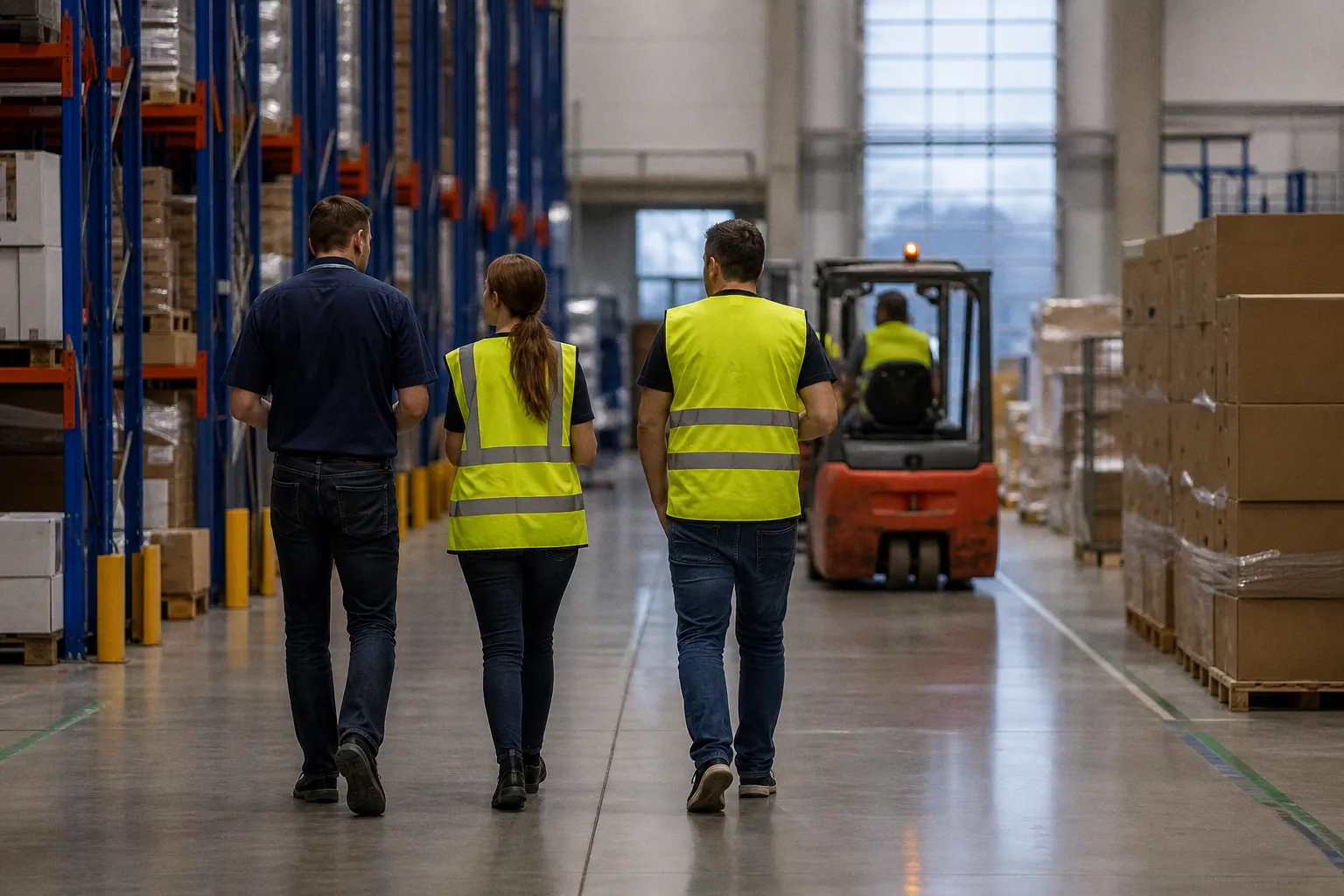
The job is not “warehouse plus spreadsheet” anymore
Criticalhit.net reports that online shopping, same-day delivery, artificial intelligence, and global manufacturing have changed how goods move from factories to front doors. That is not a soft career-trends story for anyone running pick-and-pack. It is the daily margin squeeze.
Modern supply chain roles now sit across inventory planning, procurement, transportation, operations planning, business analytics, and international logistics. The source notes that retailers, hospitals, manufacturers, technology companies, construction firms, and food distributors all depend on efficient supply chains. For digital commerce operators, the retail piece is the loudest: customers expect accurate stock, fast shipping, flexible delivery, and steady product availability.
That means the people getting hired are not just moving cartons. They are reading demand signals, managing inventory control, spotting shipment problems, and making calls before delays turn into chargebacks, cancellations, or dead stock. If your team still treats supply chain as a back-office cost center, the market is already pricing that mistake into your shrinkage.
Real-time data is now an operating requirement
The same report says supply chains generate large amounts of information every day, and companies use digital platforms to monitor shipments, forecast demand, manage inventory, and identify disruption risks before they become expensive problems. That is the practical reason careers in this field are growing: someone has to turn the dashboard into a decision.
We have seen this pattern across e-commerce. Marketing can buy traffic all day, but if the inventory file lies, delivery windows slip, or replenishment misses the demand curve, customer acquisition spend gets burned at the warehouse door. Operators do not need more “transformation” posters. They need people who can connect the demand forecast to the purchase order, the carrier plan, and the fulfillment promise.
The hiring signal is also moving toward hybrid skills. Criticalhit.net says employers value technical knowledge, problem-solving, communication, adaptability, and digital literacy. That is a clean read for brands scaling online: the best supply chain hires are not pure analysts hiding in reports, and they are not only floor veterans working from gut feel. They need to speak both margin and movement.
There is a similar pattern in regulated growth work, where expansion only works when the operating plumbing is built before the sales pitch. That is why the rise in global crypto licensing advisory demand tracks with the same broader lesson: complexity creates jobs for people who can keep a business from tripping over its own scale.
Fraud, recovery speed, and resilience are now part of the same cost stack
Supply & Demand Chain Executive reports that friendly fraud impacts 83% of enterprise merchants. The snippet does not give the full methodology, so we should not overbuild the claim. But the operational takeaway is plain enough: fulfillment teams are not insulated from payment and post-purchase risk. A shipped order that turns into a dispute still hits the business as a cost event.
MSN also reports that experts are urging a “minutes-not-days” standard for supply chain recovery. Again, the available snippet is thin, but the direction matches what operators already feel. Waiting days to respond to a disruption is not recovery; it is damage documentation.
Criticalhit.net lists weather events, labor shortages, geopolitical conflicts, cybersecurity concerns, and transportation delays among the pressures pushing organizations to rethink operations. It also says companies are diversifying sourcing, increasing visibility, and investing in technology to improve resilience. That is where supply chain careers stop looking optional. Someone has to own the backup route, the alternate supplier, the inventory visibility, and the ugly tradeoff when speed costs too much.
For e-commerce teams, the ROI test is simple. Hire and train for roles that reduce avoidable delay, bad inventory decisions, fraud exposure, and recovery time. Do not chase shiny tools without floor-level ownership. The career growth is real because the work is real: fewer stockouts, cleaner handoffs, faster recovery, and less cash leaking between the cart and the customer’s door.