How SAP Customer Checkout and Viva.com Are Advancing Payment Processes at the POS Along Checkout Experience
A checkout failure rarely feels like a “payments issue” to the shopper; it feels like the store broke trust at the very last step.
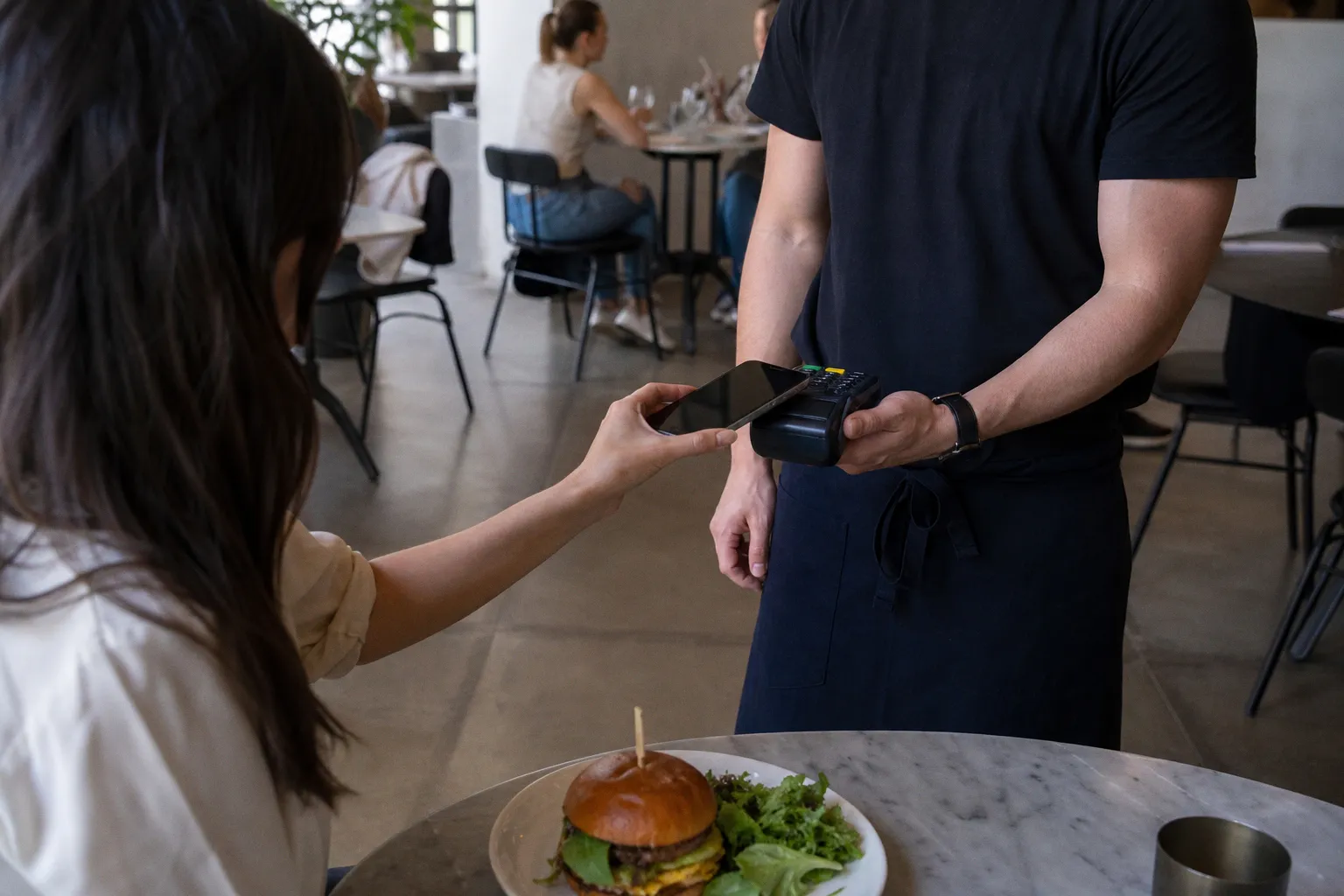
The POS is becoming part of the customer relationship
The confirmed detail here is narrow: SAP News Center is presenting SAP Customer Checkout and Viva.com in the context of advancing payment processes at the POS and the broader checkout experience. That matters because the payment moment is where a shopper’s patience is thinnest and their cognitive load is already high.
For marketers and retention teams, this is the part worth watching. A store can nurture a customer beautifully through discovery, product pages, email flows, loyalty prompts, and staff interaction — then lose the emotional thread if the payment step feels clunky, unclear, or disconnected from the rest of the journey.
In physical retail, POS has often been treated as a back-office system with a customer-facing screen attached. But the language around “checkout experience” points to a different mindset: the payment process is not just settlement; it is the final impression of the visit. If that moment creates anxiety, delay, or confusion, the brand pays for it later in lower trust and weaker repeat behavior.
What commerce operators should read between the lines
Because the available source material does not provide technical detail, it would be premature to claim specific features, rollout scope, merchant benefits, or performance improvements. The practical takeaway is more grounded: SAP Customer Checkout and Viva.com are being positioned together around the POS payment flow, and that is enough to put payment experience back on the review agenda.
If your team runs stores, pop-ups, hospitality environments, or any commerce model where in-person payment meets digital customer data, ask where friction still hides. Is the payment step easy for staff to explain? Does the customer understand what is happening without needing reassurance? Does the process support the kind of checkout experience your brand promises elsewhere?
This is also a useful moment for e-commerce teams with omnichannel ambitions. Customers do not separate “online brand” and “store brand” as cleanly as internal org charts do. A painful POS interaction can weaken the same relationship your lifecycle marketing is trying to nurture. Conversely, a smooth checkout can quietly reinforce confidence: the customer feels seen, served, and safely moved through the final step.
Where not to rush — and what to check next
The risk with any platform or payments announcement is that teams jump straight to vendor enthusiasm before mapping the real customer journey. The better move is slower and more empathetic: observe the checkout moment from the shopper’s side.
Before making assumptions, review three areas. First, the pain points: where do customers wait, ask questions, retry, or abandon? Second, the staff experience: if associates struggle with the flow, customers will feel that uncertainty immediately. Third, the continuity of the relationship: does the POS moment support loyalty, receipts, returns, and post-purchase communication in a way that feels natural rather than bolted on?
For now, SAP’s News Center item gives the market a clear theme rather than a full technical brief: payment processes at the POS are being treated as part of the checkout experience. That is the right lens. In modern commerce, the final tap, swipe, or confirmation is not the end of the transaction — it is the customer deciding whether the relationship still feels easy enough to continue.