Mastering Shipping Operations: A Unified Approach to Retail Logistics
According to Shopify’s 2026 guide to shipping operations, the delivery stack begins before checkout and does not end at the carrier handoff.
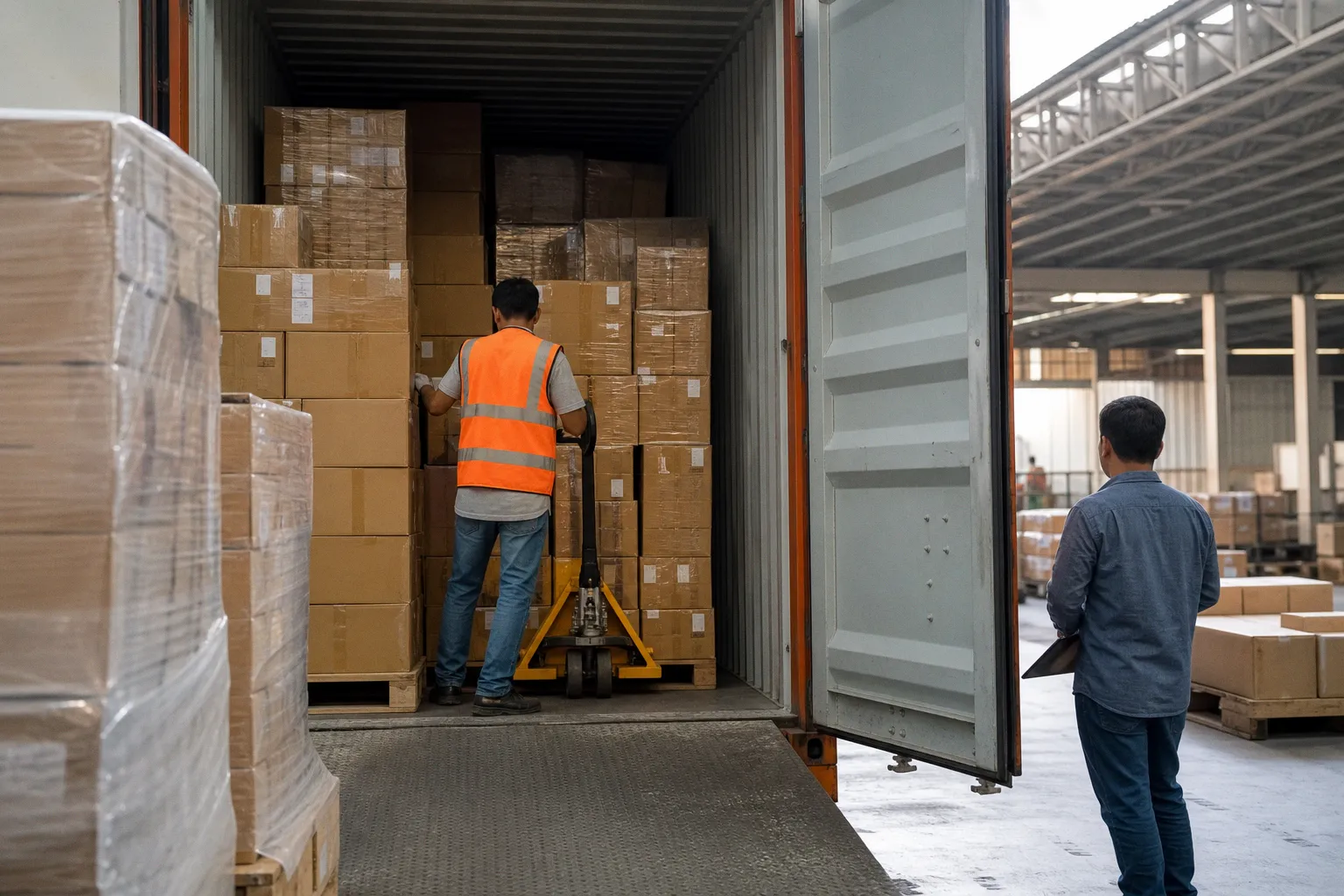
Rates, inventory accuracy, picking, packing, label generation, last-mile delivery, returns, and refunds operate as one system. For retailers, the operational risk is simple: a break upstream becomes higher cost, slower delivery, or an unmet delivery promise downstream.
Shipping is a connected workflow, not a checkout setting
Shopify defines shipping operations as the systems managing an order’s journey. The sequence starts with shipping rates presented to the shopper, then moves through fulfillment and carrier handoff, and continues through reverse logistics.
The relevant control points are sequential:
- Inventory state. Stock must be synchronized before an order can be routed correctly.
- Fulfillment execution. Each order must be picked and packed without introducing warehouse errors.
- Carrier output. Labels, handoff, and last-mile delivery need consistent operational data.
- Returns loop. Refunds and returned inventory remain part of the same workflow.
Shopify notes that small-parcel services are commonly used for items up to 70 pounds, while oversized products or palletized bulk inventory move through freight operations. This is a routing distinction, not merely a cost distinction. A retailer needs the correct fulfillment logic before an order reaches a carrier.
The guide identifies three pre-scaling requirements: inventory accuracy, consistent labeling, and regulatory compliance. Miss one of them and warehouse errors can surface as delays later in the process. Shopify also cites Zebra’s 2025 Warehouse Vision Study: 71% of decision-makers viewed error prevention as the primary automation driver, while 84% agreed that improved visibility supports smarter automated shipping decisions.
DoorDash adds a local-delivery channel inside Shopify
Mass Market Retailers reports that DoorDash has introduced a native Shopify integration for eligible U.S. brick-and-mortar retailers. Merchants can connect existing Shopify catalogs to the DoorDash marketplace and offer on-demand delivery through Shopify.
The specified operational design removes several duplicate steps:
- No separate DoorDash onboarding process.
- No manual product uploads.
- No stated need to alter existing workflows.
- Inventory synchronization between Shopify and DoorDash occurs in real time.
The companies said the integration is intended to reduce setup time from weeks to days. It is also described as the first on-demand marketplace connection Shopify merchants can activate from the Shopify Admin dashboard.
This changes the shipping-operations question for physical retailers. Local delivery becomes another fulfillment endpoint attached to the same catalog and inventory record. The key dependency is not marketplace exposure. It is whether the inventory record can support that exposure without creating out-of-stock orders, split fulfillment, or manual reconciliation.
DoorDash said the rollout begins in the United States, with international expansion planned in the coming months. The stated target includes retailers with physical storefronts, such as gift shops, sporting-goods stores, and specialty-food retailers.
The decision point is operational control
Shopify frames the core model choice as in-house fulfillment versus a 3PL. The selection depends on required control, growth speed, order volume, and inventory location. There is no universal migration threshold in the available material.
For an operator evaluating an additional delivery channel, the checks are mechanical:
- Is inventory synchronized across all active sales locations?
- Can the warehouse maintain consistent, scannable unit identifiers?
- Does the order-routing logic prevent overselling and stockouts?
- Can returns and refunds return inventory to an accurate state?
- Does delivery speed add workflow complexity faster than it adds usable capacity?
Shopify says its unified workflow can display costs, automate fulfillment tasks, and process up to 250 shipping labels in one admin. That is throughput capacity inside the platform; it does not remove the need for accurate warehouse inputs.
Automation remains an infrastructure question across commerce systems. Even adjacent categories are expanding automation interfaces, as seen in BulkQuant’s expanded AI trading-robot platform. In retail logistics, the comparable constraint is deterministic attribution: every sellable unit, inventory location, order, label, and return must resolve to the same operational record.
Technical upside: real-time inventory synchronization and fewer manual catalog workflows.
Technical downside: local on-demand delivery magnifies any existing inventory, labeling, or routing error.