TikTok Shop Pilots Managed Services to Simplify US Merchant Operations
Business Insider reports that TikTok is piloting a managed-services program for TikTok Shop in the US, taking over creator partnerships and ad campaigns for a flat fee plus commission.
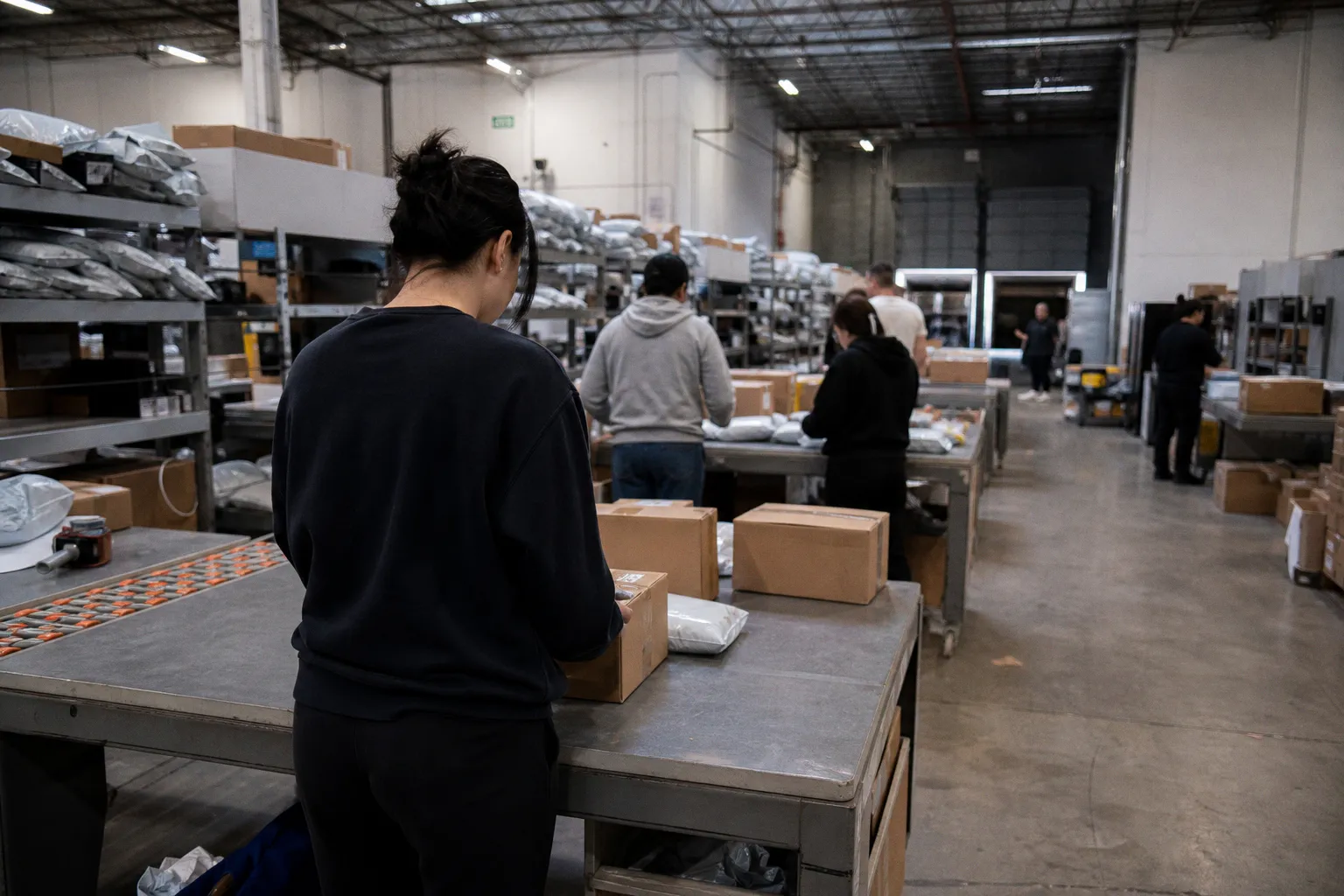
For sellers, the pitch is obvious: fewer hands on the controls and less day-to-day operational overhead. But outsourced execution does not make the pick-and-pack, inventory position, or unit economics disappear—it just moves the pressure point.
The program matters because TikTok Shop growth can turn into an expensive mess when creator outreach, campaign management, customer demand, and fulfillment capacity are running on separate tracks. A managed layer may reduce that coordination burden. It may also add another cost line before a brand has proved that its social-commerce orders can produce margin after commissions, discounts, returns, and shipping.
TikTok wants to run more of the storefront machinery
According to Business Insider, the pilot covers key Shop operations, specifically creator partnerships and advertising campaigns. TikTok would charge a flat fee and commission, with the stated goal of helping brands expand their e-commerce presence on the platform with minimal operational overhead.
That is not simply an ad-service offer. Creator selection and campaign execution sit close to the demand switch. When that switch is handed to the platform, sellers need a clean view of what happens after the order lands: who owns the customer workflow, what stock is available, and whether the warehouse can absorb the spikes without creating late shipments or costly split fulfillment.
The managed-services model can remove some manual campaign work. It cannot repair weak product availability or a fulfillment operation already leaking cash through shrinkage, bad forecasting, and deadhead inventory.
The real test is the contribution margin
A flat fee plus commission is easy to understand and easy to underestimate. Operators should not judge the offer by the number of tasks TikTok takes off their desk. They should judge it against the work already being paid for—and against the margin left on every incremental order.
Before joining a pilot, brands should map the full cost stack for TikTok Shop sales: platform-related charges, managed-service fees, creator activity, ad spend, product discounts, fulfillment, shipping, returns, and support. If the program increases volume without protecting the margin on that volume, it is just a faster route to more low-quality orders.
There is also an accountability question. TikTok may manage creator partnerships and campaigns, but sellers still need to know which activity is producing orders that survive the whole order-to-delivery cycle. A campaign that fills carts but creates cancellation risk, stockouts, or warehouse overload is not efficient acquisition. It is expensive noise.
Keep control of the operational data
The practical upside of a managed program is less internal labor tied up in campaign mechanics. That can be valuable for a lean team. The practical danger is losing visibility while someone else is pulling the demand lever.
Brands testing the service should keep their own scoreboard: order volume, net sales, fee structure, ad costs, inventory availability, fulfillment performance, returns, and contribution margin by campaign where possible. The objective is not to prove that managed services are good or bad. It is to find out whether TikTok’s added layer replaces real operating cost—or simply sits on top of it.
For most operators, the ROI call is blunt: outsource the campaign workload only if the platform can generate profitable, fulfillable demand with fewer internal touches. If the margin still fails after the commission and fee, no amount of creator management will save the P&L.