Libya Launches EPAIX 2026: Advancing Digital Payments and Fintech
Libya's Central Bank opened EPAIX 2026 in Tripoli on June 17 with a three-service payments stack that recalibrates the country's electronic transaction infrastructure.
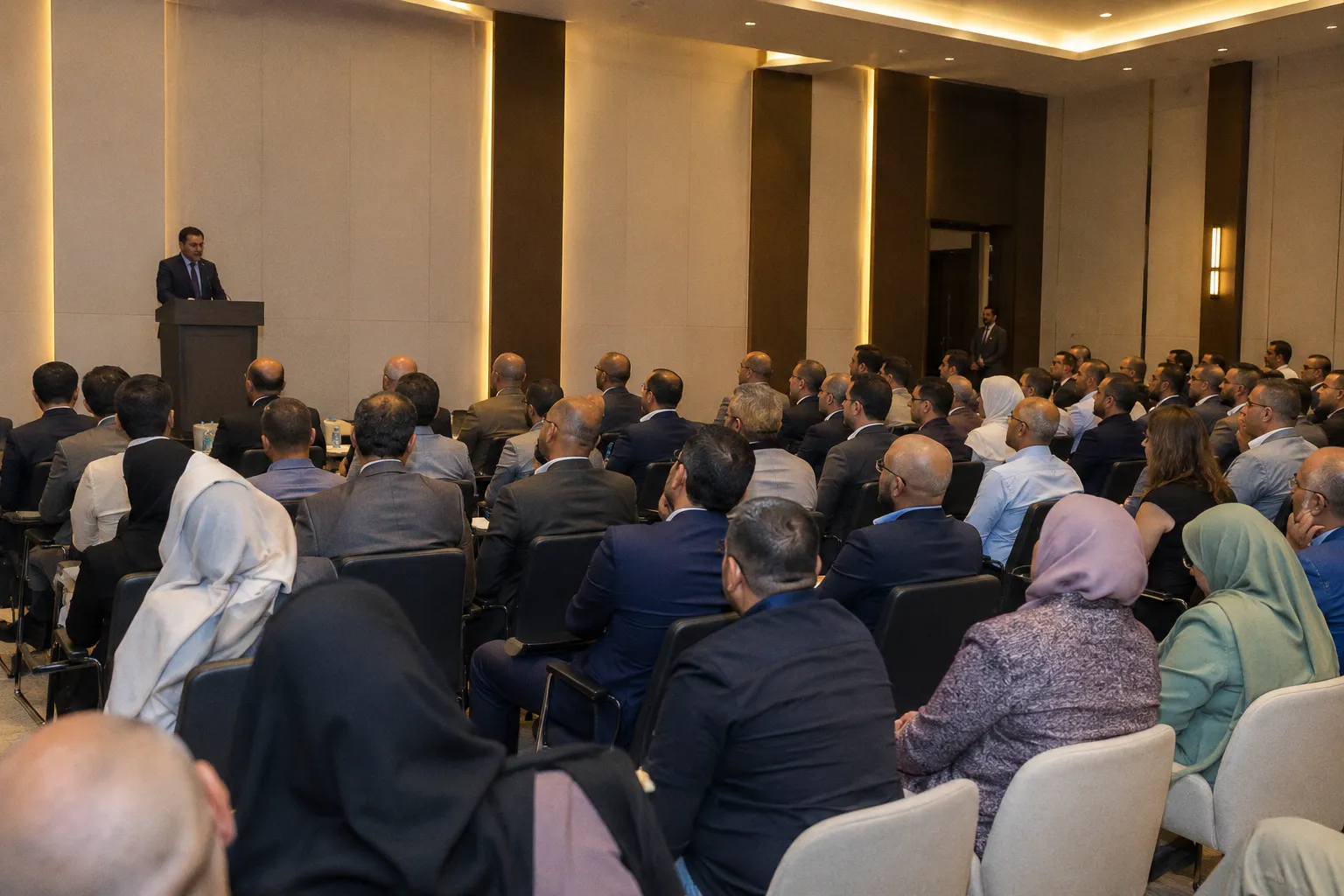
Three Services, One Architecture Shift
The CBL framed EPAIX 2026 around financial inclusion and reduced cash dependency. The technical payload sits in three concrete releases:
- Local Visa acceptance at POS. Merchants operating domestic terminals gain the ability to process international Visa card transactions. Settlement rails, FX handling, and chargeback logic remain governed by CBL oversight.
- SoftPOS rollout. NFC-enabled smartphones convert into authorized point-of-sale terminals without dedicated hardware. Libya joins the cohort of markets where the hardware POS footprint decouples from payment acceptance capacity.
- National Stand-In Processing Service. A continuity layer designed to maintain electronic payment flow during communication or core banking system disruption, addressing the single point of failure that has historically constrained uptime metrics in emerging-market rails.
System Resilience vs. Adoption Risk
The architecture upgrade addresses two known failure modes in Libya's existing stack: terminal coverage gaps and network fragility. SoftPOS collapses the hardware barrier to acceptance, while the Stand-In Processing project targets latency and availability during outages.
Counterweights remain documented:
- Cash dependency baseline. The CBL explicitly cites reducing cash reliance as the objective, implying current electronic penetration is below the threshold where dual-rail commerce is standard.
- Merchant onboarding capacity. SoftPOS scales device-side, but KYC, settlement reconciliation, and dispute resolution workflows scale linearly with merchant count. No throughput figures were disclosed at launch.
- Regulatory certainty for foreign operators. Visa acceptance opens corridors, but cross-border settlement terms, FX margins, and compliance SLAs were not published in the opening materials.
What Operators Should Track
Three data points will determine whether EPAIX 2026 translates into executable infrastructure:
1. SoftPOS certification timeline. How quickly acquirer banks onboard merchants onto the NFC-terminal stack, and what MDR/MDR-equivalent fee schedules attach.
2. Stand-In Processing SLAs. Uptime commitments, failover thresholds, and whether the continuity layer extends to international scheme traffic or remains domestic-only.
3. Visa acceptance volume baselines. Transaction counts and approval rates at domestic POS terminals in the 30 to 90 days post-launch.
Pros: New acceptance layer, reduced hardware dependency, documented redundancy architecture.
Cons: No published throughput, merchant onboarding load, and unverified cross-border settlement economics.