Kroger digital sales become profitable ‘ahead of schedule’ in Q1
Kroger’s digital sales division achieved profitability ahead of schedule in fiscal Q1 2026, driven by a 19% surge in digital sales and high-margin retail media contributions.
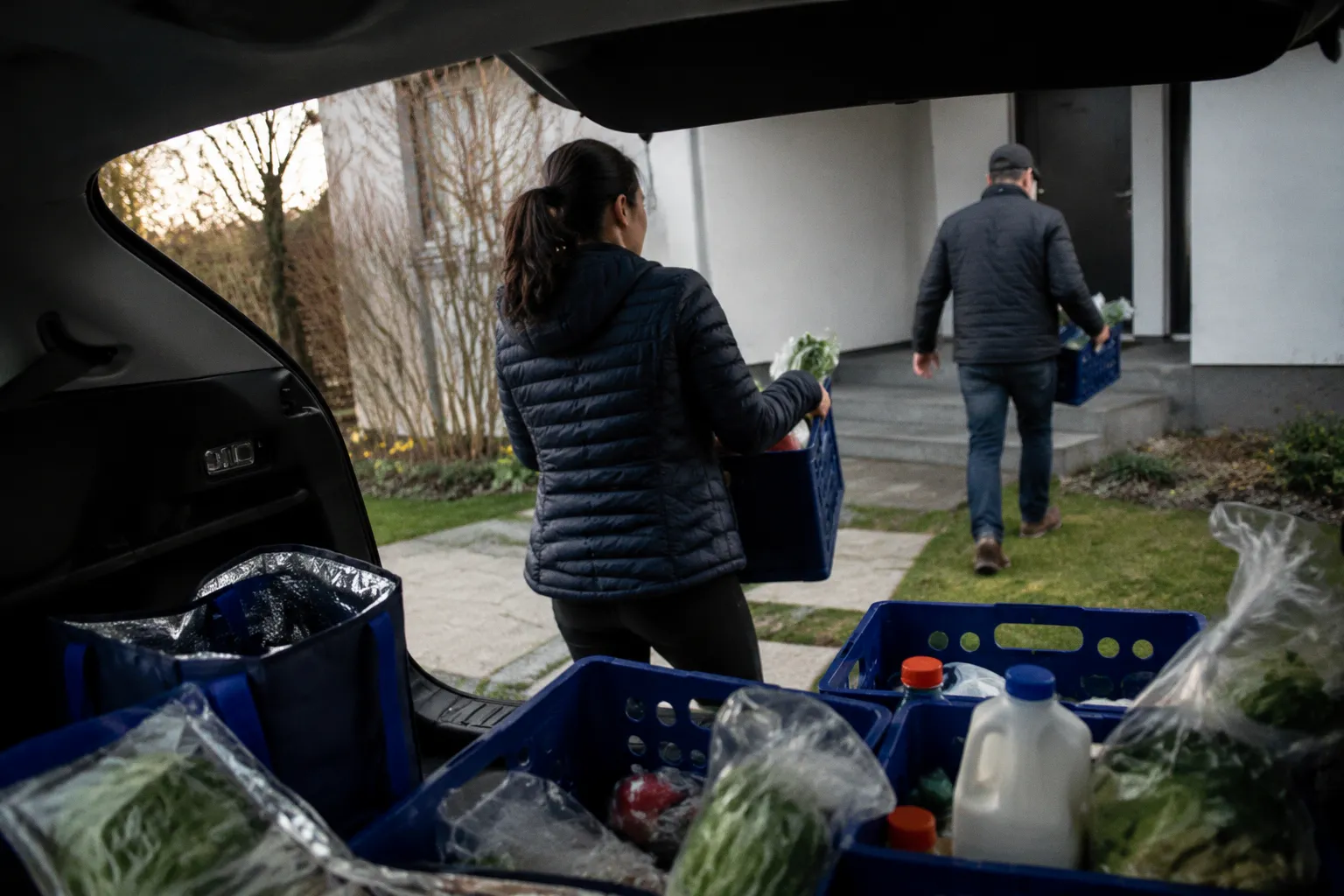
Margin Optimization and Omnichannel Multipliers
The financial performance of the digital division is tied directly to customer acquisition value and channel integration.
- Digital Sales Growth: Digital revenue increased by 19% year-over-year in Q1 2026.
- Omnichannel Spend Multiplier: Customers who purchase via both digital and physical channels spend 2.5 times more than in-store-only consumers.
- Identical Sales Velocity: Identical sales, excluding fuel, increased by 1.0% year-over-year for the quarter ending May 23, reflecting stable baseline demand across physical and digital storefronts.
- Total Revenue Throughput: Total sales rose to $46.12 billion in Q1 2026, up from $45.12 billion in Q1 2025, representing a 2.2% increase.
This growth occurred despite deflationary pressures in specific categories, such as eggs, and increased operational overhead from fuel and transportation logistics. The digital segment's transition to a positive margin profile indicates that fulfillment efficiencies and customer cohort value have reached a critical scale.
Retail Media Integration and Database Positioning
The acceleration of the digital segment's profitability is linked to the performance of Kroger Decision Marketing, the retailer's retail media network. High-margin advertising revenue streams act as a direct offset to the low-margin logistics of home delivery and click-and-collect fulfillment.
System positioning metrics within the North American e-commerce landscape:
- Top 2000 Database Rank: Kroger ranks No. 6 overall among the largest online retailers in North America.
- Food & Beverage Category Rank: Kroger holds the No. 1 position within this specific vertical.
- Competitive Constraints: Mass merchants, specifically Walmart and Target, maintain higher overall rankings for online grocery sales volume.
For digital marketing operators, the integration of retail media networks directly into the e-commerce infrastructure provides the necessary margin buffer to sustain online grocery fulfillment architectures.
Technical Pros and Cons
System Advantages (Pros):
- High-Margin Revenue Injection: Retail media networks (Kroger Decision Marketing) successfully subsidize the high variable costs of grocery logistics.
- Customer Lifetime Value Multiplier: The 2.5x spend multiplier of omnichannel cohorts optimizes customer acquisition cost (CAC) efficiency.
- Fulfillment Efficiency: Achieving digital profitability ahead of schedule indicates optimized route planning and warehouse throughput.
System Vulnerabilities (Cons):
- Category Deflation Sensitivity: Profitability remains vulnerable to commodity price fluctuations, such as egg deflation.
- Logistical Overhead: Transportation and fuel costs continue to exert downward pressure on net margins.
- Mass Merchant Competition: Despite holding the No. 1 spot in Food & Beverage, Kroger faces scale disadvantages against larger mass merchant platforms.