Duty Free Retail Market Set to Grow at 7.91% CAGR Through 2035 Driven by Digital Transformation and Travel Rec
The duty-free retail sector is entering a sustained growth phase. Market Research Future projects a 7.91% CAGR through 2035, with three drivers underpinning the trajectory: recovery in international…
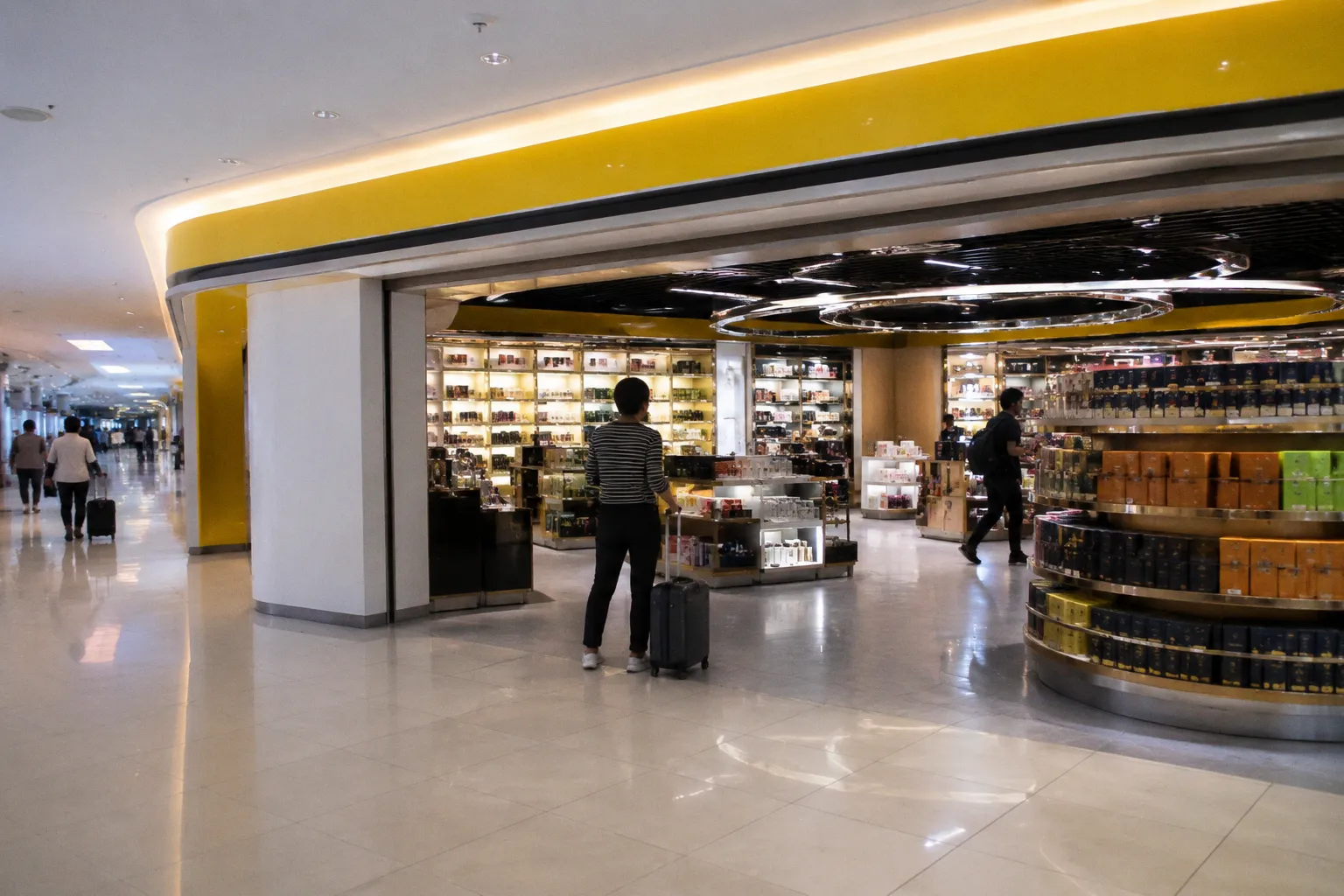
The duty-free retail sector is entering a sustained growth phase. Market Research Future projects a 7.91% CAGR through 2035, with three drivers underpinning the trajectory: recovery in international passenger volume, rising premium-shopping demand at point of departure, and digital infrastructure integration across airport retail environments. For e-commerce operators tracking omnichannel expansion, this is a signal worth parsing — not for the headline number, but for the system dynamics behind it.
Three Growth Vectors
Travel recovery remains the primary throughput variable. International passenger counts are normalizing post-pandemic, and duty-free revenue correlates directly with footfall at departure terminals. No footfall, no conversion — the physics are binary.
Premium demand is the margin layer. Higher average basket values from luxury and niche product categories compress the path to revenue targets even when passenger volumes plateau. The duty-free channel captures discretionary spend at a moment of elevated purchase intent — travelers in transit with time to kill and budget allocated.
Digital transformation is the operational shift. Integrations with pre-order platforms, loyalty APIs, and contactless payment systems are reducing friction between browse and buy. This is where the 7.91% figure gains structural resilience — digital adoption compounds annually, unlike the cyclical nature of travel volumes.
System Risks to Monitor
- Attribution ambiguity. Digital pre-order channels blur the line between online research and airport purchase. Brands selling into duty-free need deterministic attribution models, not last-touch assumptions.
- Latency in regulation. Duty-free economics are tax-dependent. Any jurisdiction-level policy shift on allowances or exemptions compresses margins instantly.
- Passenger mix volatility. Recovery is uneven by region. Asia-Pacific routes may outpace transatlantic on volume, but average basket values diverge. Aggregate CAGR masks sub-market divergence.
Binary Takeaway
Pros: Secular growth trend backed by travel recovery and digital channel maturation. 7.91% CAGR is above retail-sector baseline. Premium product skew supports margin.
Cons: Growth model is passenger-volume-dependent. Regulatory exposure is non-trivial. Digital integration remains fragmented across airport operators — no unified platform layer exists yet.
For brands evaluating duty-free as a channel: the math is favorable, but execution requires solving for regional passenger mix and regulatory variance first.